作成者別アーカイブ: frankbaumann097

Realme C55 Android Version — Which Android OS Does Realme C55 Run?

Out of the box: This handset debuted in March 2023 running Google’s mobile OS 13 (API level 33) combined with the maker’s proprietary user interface around the 4.0 mark; initial firmware typically included mid‑2023 security patches depending on market and carrier.

Update checklist: Back up apps and settings to cloud or local storage, connect to a stable Wi‑Fi network, ensure battery is above 50%, and apply only official over‑the‑air packages or full firmware from the manufacturer/carrier. Avoid installing beta builds on a primary device.

1xbet online betting is an emerging stalwart

How to confirm current software: Open Settings → About phone → Software information or System updates; check the OS build/API level and Security patch level entries, and review Google Play system updates. An API level listed as 33 indicates the device is on mobile OS 13.

Support expectations and recommendation: Similar entry‑level models commonly receive one major OS upgrade and roughly two years of security updates; verify the precise commitment with the vendor or your seller. If extended platform support matters, opt for models advertised with multi‑year upgrade guarantees.

Current Android Version on Realme C55

Install the latest OTA from Settings → Software update to move to the OS 14 stable build when it appears for your unit; units that have not yet received the update remain on OS 13 with the manufacturer’s custom skin 4.0.

The handset originally shipped with OS 13 (manufacturer skin 4.0). The maker has provided an upgrade path to OS 14 (skin 5.0) for eligible units, but the rollout is staged by market and carrier, so availability differs by region and serial number.

How to check and apply safely: open Settings → About phone → Software information to see current build and security patch level; back up user data, connect to Wi‑Fi, charge above 50%, then tap Settings → Software update and follow prompts. If no OTA appears, download official firmware only from the vendor support site for your exact model and follow the published manual-install instructions or contact authorized service for assistance. Keep a note of the build string and the security patch date before updating so you can report issues precisely.

TẢI APP 1XBET THAM GIA CƯỢC DỄ DÀNG TRÊN DI ĐỘNG

Factory Android version shipped with Realme C55

Factory-installed OS: Google mobile platform 13 with the manufacturer’s UI 4.0 skin.

  • How to verify: Settings → About phone → Software information. If you treasured this article and also you would like to acquire more info about 1xbet download apk nicely visit our own site. Check “Base OS”, “Build number” and “Security patch level” fields for the original build identifiers shipped with the unit.
  • Launch timing: shipped on market with OS 13 builds in early 2023; the preloaded firmware includes the maker’s UI 4.0 customization and the security patch present at that release date.
  • Update handling: official upgrades arrive via Settings → Software update. Before applying a major system upgrade, back up user data, connect to Wi‑Fi, and ensure battery is above 50%.
  • Developer actions: to enable unlocking procedures open Settings → About phone → tap Build number repeatedly to reveal Developer options, then enable “OEM unlocking” and USB debugging. Expect a full data wipe when unlocking the bootloader.
  • Custom firmware notes: installing third‑party images requires an unlocked bootloader and compatible vendor firmware; mismatched packages or unsigned files can brick the handset and typically void warranty.
  • Security maintenance: keep the handset on official updates or signed vendor patches to maintain security patch cadence; if staying on factory firmware longer, schedule periodic manual checks for OTA updates.

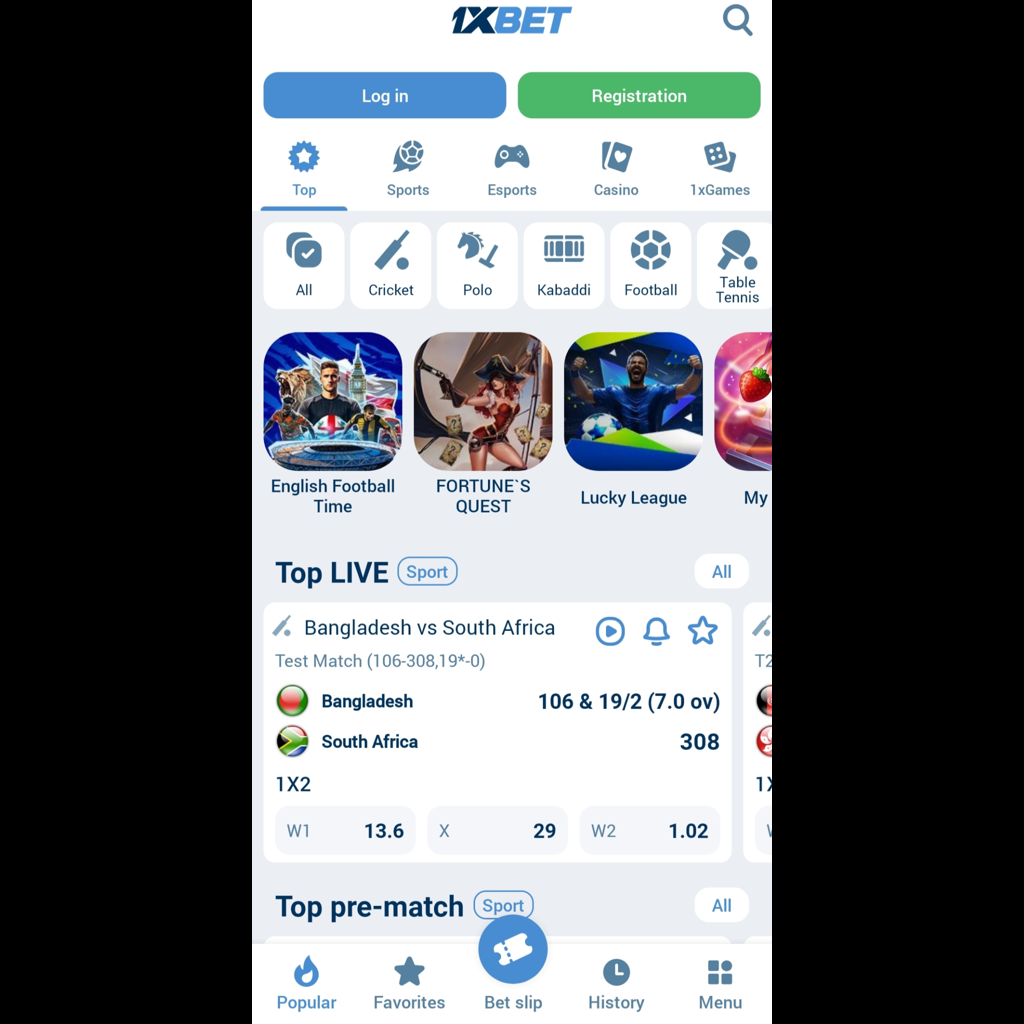
1xbet login download

What is Debug in Android? Android Debugging Guide & Tips

Immediate action: enable Developer options and allow USB access on the device, connect with a USB cable and verify with adb devices. If you have any sort of inquiries relating to where and how you can use 1xbet register, you could contact us at our own web page. Capture runtime output with adb logcat -v time > session.log, reproduce the failure, then filter errors with adb logcat *:E or by tag adb logcat -s YourAppTag.

Attach a runtime inspector from the official IDE to set conditional breakpoints in Java/Kotlin or to use LLDB for native code. For native crashes, start gdbserver or use the IDE’s native process attach; retrieve crash dumps from /data/tombstones and analyze stack traces with symbol files produced by your build system.

Gather system-wide metrics before and after the fault: collect a Perfetto trace or run adb bugreport > bugreport.zip for a full snapshot. Query memory and CPU with adb shell dumpsys meminfo <package>, adb shell dumpsys cpuinfo and adb shell top -n 1. Use heap dumps (hprof) and analyze them in the IDE profiler to find leaks and excessive allocations.

For CI and release hygiene, keep verbose logging and adb-access limited to development builds, strip debug symbols only for release artifacts while preserving separate symbol archives for postmortem analysis, and run automated tests that exercise heavy UI and background tasks so regressions surface in traces and logs rather than in customer reports.

Enable and Configure Debugging

Enable Developer options and permit ADB connections; restrict access to trusted hosts and revoke authorizations after each session.

  • Activate Developer options:

    Settings > About phone > tap Build number seven times (path may vary by vendor). Confirm Developer options appears in Settings.

  • Allow ADB access over USB:

    Open Developer options and enable the toggle that allows ADB connections via USB (label varies). Connect a USB cable, then run adb devices to verify the device appears as “device”. If listed as “unauthorized”, accept the pairing prompt on the device.

  • Install platform tools and verify host setup:

    Download SDK Platform-Tools and add the folder to PATH. Common commands:

    • adb devices – list connected targets
    • adb kill-server then adb start-server – restart ADB daemon
    • Check key files at ~/.android/adbkey(.pub) and keep private key permissions to 600.
  • Enable wireless ADB:

    Options:

    1. Via USB: adb tcpip 5555, find device IP (adb shell ip addr show wlan0), then adb connect <IP>:5555.
    2. Pairing mode (newer builds): enable wireless pairing in Developer options, run adb pair <IP>:<pair_port>, enter the PIN shown on device, then adb connect <IP>:<port>.
  • Port forwarding and reverse forwarding:

    Map local ports for local servers or debuggers:

    • adb forward tcp:8081 tcp:8081 – host -> device
    • adb reverse tcp:8081 tcp:8081 – device -> host (useful for apps connecting to a local dev server)
  • Log and process inspection:

    Use targeted logcat filters to reduce noise: adb logcat YourAppTag:V *:S. For timestamps and thread info use adb logcat -v threadtime. Attach to a running process from your IDE using ADB-listed PID.

  • Security hygiene:

    • Revoke authorizations after sessions via Developer options or adb usb / adb kill-server plus key removal.
    • Do not enable ADB over public networks; restrict to isolated Wi‑Fi or a secured hotspot.
    • Remove ~/.android/adbkey from shared machines and generate a dedicated keypair for each trusted workstation.
  • Advanced: persist TCP service for CI devices

    On test lab hardware, create a startup script that runs adb tcpip 5555 and ensures the device stays reachable on a reserved private IP. Prefer provisioning via a USB-first pairing step, then disable USB after wireless is established.

Enable USB debugging on the device

Enable Developer options: open Settings → About phone (or About device) and tap Build number seven times; enter your lock-screen PIN if prompted; go back to Settings → System → Developer options and toggle the main switch on.

Enable ADB over USB: in Developer options enable the entry that grants ADB access over USB (label varies by vendor and may reference ADB). If there is a separate “USB configuration” submenu, leave it on the default until prompted by the host.

Authorize host keys: when connecting to a computer for the first time, accept the RSA fingerprint dialog and only check “Always allow” for machines you fully trust; revoke saved host keys from Developer options (Revoke ADB authorizations) before giving the device to others.

USB mode and cable: set USB mode to File Transfer (MTP) instead of Charging only; use a known-good data-capable USB cable and a rear port on desktops. If the connection fails, try toggling between MTP, PTP and Charging, then reconnect the cable.

PC-side requirements and quick fixes: on Windows install the OEM or Google USB driver (via SDK Manager or vendor site); on macOS drivers are usually unnecessary; on Linux add a udev rule with your vendor ID (example rule: SUBSYSTEM==”usb”, ATTRidVendor==”0bb4″, MODE=”0666″), then reload udev: sudo udevadm control –reload-rules && sudo udevadm trigger. Verify connection with the adb devices command.

Security hygiene: disable ADB over USB when not actively using it, revoke authorizations periodically, and keep the lock screen enabled to prevent unauthorized access while Developer options are enabled.

Why WhatsApp Calls Keep Dropping on Android — Causes & Fixes

Immediate action: Switch to a stable 5 GHz Wi‑Fi or a strong LTE/5G signal, disable power‑saving for the messenger app, and grant microphone, camera and background data permissions – these three steps resolve most intermittent session terminations within minutes.

Quick network targets: keep latency below 150 ms, jitter under 30 ms and packet loss below 1%. If a speedtest shows high variance or packet drops, reboot the modem/router and retry on mobile data. Use 5 GHz indoors when possible; 2.4 GHz tends to suffer from interference and higher retransmits.

Router and NAT adjustments: turn off SIP ALG, enable UPnP and, if available, set QoS to prioritise real‑time media for the phone’s local IP. Reserve a static DHCP lease for the device. Temporarily disable any VPN or proxy – encrypted tunnels and strict NAT types often break peer‑to‑peer media streams.

App and device tweaks: inside the messenger, enable Allow background data, clear the app cache, and update to the latest build. On the phone, exempt the app from Doze/battery optimisation and allow auto‑start. If problems persist, reset network settings and reinstall the app; if the same issue occurs on another handset, the network is the likely root.

If interruptions continue, collect evidence before contacting support: note exact timestamps, device model and OS build, attach speedtest results and a short log showing ping and jitter samples during the failure. Those artifacts speed diagnosis and point engineers to network vs. client faults. If the session drops only on one network or one device, focus troubleshooting there.

Test Your Wi‑Fi Connection

Run a 60‑second real‑time network test measuring RSSI, round‑trip time, jitter and packet loss; target values: RSSI ≥ -67 dBm, avg RTT < 120 ms, jitter < 30 ms, packet loss < 1%.

On-device commands/apps: use Termux + ping -c 60 8.8.8.8 (watch packet loss and rtt statistics), or apps such as Speedtest (Ookla), PingTools, Network Analyzer and MTR for per‑hop loss/jitter. Record min/avg/max RTT and packet loss across three 60‑second runs at different times of day.

Check RSSI (signal strength) with a Wi‑Fi scanner: -40 to -60 dBm = excellent, -61 to -67 dBm = good for realtime audio/video, -68 to -75 dBm = marginal, < -80 dBm = unreliable. If RSSI is worse than -67 dBm, move closer, remove large obstacles, or reposition the AP higher and central in the coverage area.

Scan for channel congestion. For 2.4 GHz use channels 1, 6 or 11 with 20 MHz width; avoid overlapping channels. For 5 GHz pick the least congested channel and use 40–80 MHz if range allows. Set channel manually in the router admin page after scanning; re‑test performance after each change.

Switch bands: use 5 GHz for devices within ~5–10 m of the access point to reduce interference; use 2.4 GHz for longer range. Create separate SSIDs for each band while troubleshooting to prevent unwanted band‑steering between radios.

Measure airtime and client load: if the AP serves more than ~20–30 active clients, latency and packet loss rise. Temporarily disconnect other devices and repeat tests. Enable airtime fairness and WMM (Wi‑Fi Multimedia) on the router to prioritize realtime traffic.

Eliminate local traffic noise: pause large uploads/downloads on other devices, disable cloud backups, and turn off VPNs or proxy tunnels during tests. On the mobile device disable battery saver and background sync while measuring, then recheck with normal settings to compare.

Enable QoS on the router when available: prioritize UDP/RTP or set DSCP markings for realtime media. If your router has preset VoIP/Realtime profiles, enable one and verify reduced jitter and loss in follow‑up tests.

Final validation: after adjustments run three 60‑second tests spaced 30 minutes apart. If you have any concerns regarding in which and how to use onexbet app, you can get in touch with us at our web page. Accept configuration if median metrics meet targets (RSSI ≥ -67 dBm, RTT < 120 ms, jitter < 30 ms, packet loss < 1%). If problems persist with good Wi‑Fi metrics, test the mobile device on a different network to isolate device vs. network faults.

Restart router and Android device before testing

Power-cycle your home networking equipment and reboot your smartphone before proceeding with any connection verification.

  1. Sequence for separate modem + router:

    1. Unplug modem power cable – wait 60 seconds to let capacitors discharge.
    2. Plug modem back in and wait until WAN/ONLINE LED is steady (typically 60–90 seconds).
    3. Unplug router power for 30–60 seconds, then plug it back in. Wait 90–120 seconds for full boot and stable LEDs.
  2. Combo gateway (modem+router in one):

    1. Unplug power for 60 seconds, then reconnect. Allow up to 120 seconds for IP assignment and service restoration.
  3. Mesh or multi‑node systems:

    1. Reboot the primary/base node first. If issues persist, reboot each satellite one at a time, waiting 60 seconds after each reboot.
    2. Avoid rebooting all nodes simultaneously – staggered restarts prevent reconnection storms and speed recovery.
  4. Smartphone reboot procedure:

    1. Use the standard Restart option in the power menu.
    2. If the handset is unresponsive, perform a forced reboot (commonly: hold Power + Volume Down for 10–20 seconds). For devices with removable batteries, remove battery for 10 seconds.
    3. After boot, disable any temporary power‑saving or VPN profiles that could interfere with network tests.
  5. What to verify after both restarts:

    • Router shows a solid WAN/Internet LED and the primary SSID is discoverable.
    • Phone connects to the intended SSID and receives a valid IP (not 169.254.x.x). Check Wi‑Fi > Advanced > IP address on the handset.
    • Run a 1–2 minute voice or video exchange and note whether packet loss or jitter drops compared with previous attempts.
  6. If problems continue after power‑cycling:

    • Log into the router UI and check uptime and firmware version; update firmware if it is older than ~6 months.
    • Back up the router configuration before performing a factory reset; use reset only as a last resort.
    • For persistent intermittent issues, schedule a router reboot if uptime exceeds 30 days and monitor whether stability improves.

If you loved this informative article and you want to receive more details with regards to onexbet app assure visit the web site.